FREE SHIPPING ON ORDERS OVER $150 ✦ NURSES SAVE 10% WITH CODE THANKYOU

Human Hair Maintenance Guide
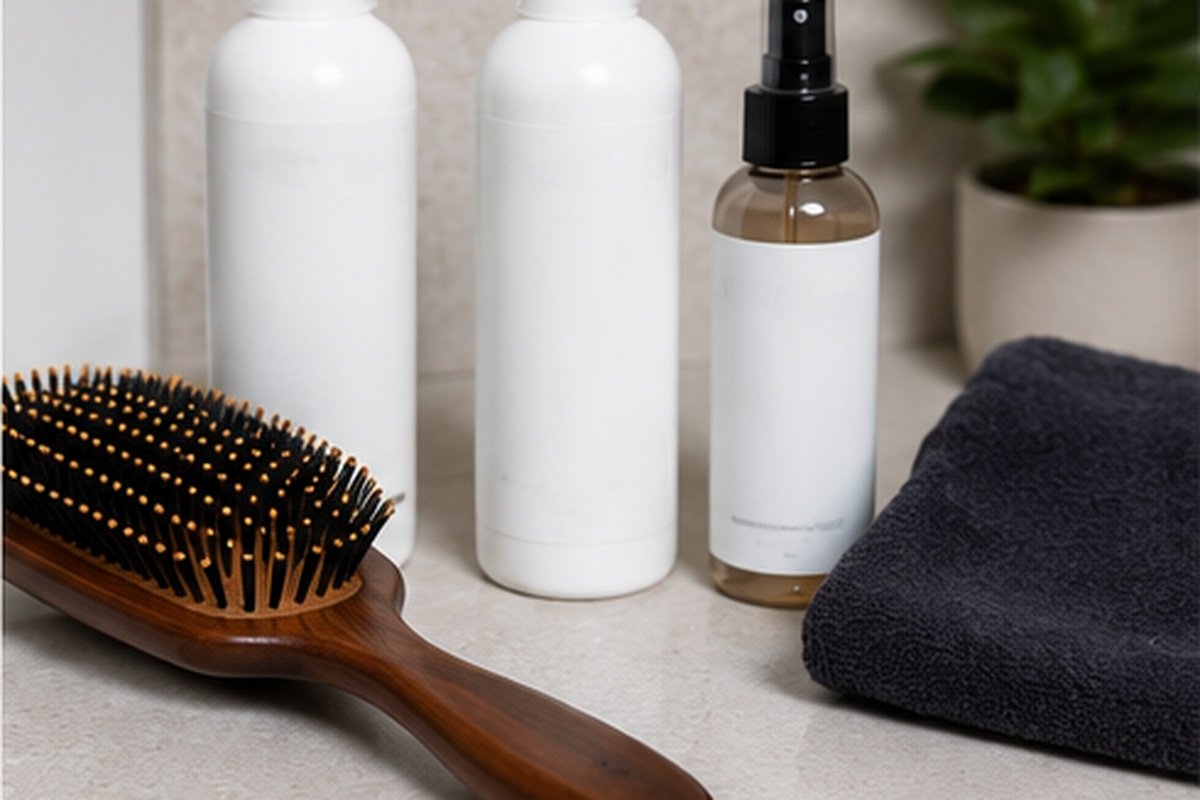
The complete long-term maintenance manual for protecting your wig investment
A human-hair wig can remain soft, beautiful and natural-looking for a long time, but it must be maintained intentionally.
Unlike the hair growing from your scalp, a wig does not continuously receive natural oils and moisture. Every time it is washed, brushed, heated, colored, slept in or exposed to friction, the hair experiences wear.
This does not mean your wig is too delicate to enjoy.
It means the wig needs a routine that balances:
Cleansing
Moisture
Heat protection
Gentle handling
Proper storage
Lace maintenance
Timely professional care
The purpose of long-term maintenance is not to keep a wig looking untouched forever. It is to slow unnecessary damage, preserve the construction and help the hair remain wearable, manageable and attractive.
This guide explains:
Daily and weekly maintenance
Washing and deep-conditioning schedules
Safe heat-styling practices
Lace and hairline care
Storage methods
Product buildup
Shedding and tangling
Professional refreshing
When a wig has reached the end of its useful life
Begin With the Right Expectations
Human hair is durable, but it is not indestructible.
The life and appearance of a wig will depend on:
The quality of the hair
How frequently it is worn
The wig’s construction
Whether the hair has been colored or chemically processed
The length and density
The amount of heat used
How the lace is handled
Whether the wig is slept in
The products applied
How it is washed and stored
Whether the wearer rotates between several wigs
A wig worn occasionally will usually experience less wear than one worn through daily twelve-hour shifts.
A short natural-black bob may also require less maintenance than a long blonde body-wave wig.
The goal is not to compare your wig with another customer’s wig. The goal is to maintain your particular unit according to its construction, processing and use.
Your Complete Maintenance Schedule
A consistent schedule helps prevent small problems from becoming major damage.
After Every Wear
Remove the wig gently.
Detangle the ends and nape.
Check the lace and inner band.
Allow the cap to air out.
Place the wig on a stand.
Avoid leaving it on a chair, bed or floor.
Do not place it into a closed bag while damp.
Once or Twice a Week
Inspect the hair for dryness and buildup.
Detangle carefully.
Apply a light leave-in conditioner when needed.
Use a small amount of serum on dry ends.
Check the straps, band, combs and drawstring.
Examine the nape for early matting.
Clean makeup or minor residue from the lace carefully.
Approximately Every 7 to 10 Wears
Consider washing the wig when it has been worn regularly.
The exact timing should depend on:
Perspiration
Product buildup
Odor
Environmental exposure
Hair texture
Installation method
How close the wig sits to the scalp
Do not wash only because a certain number of days has passed. Wash when the wig needs cleansing.
Every Few Washes
Perform a deeper conditioning treatment when the hair begins to feel dry, rough or less manageable.
Every One to Three Months
For a frequently worn wig:
Inspect the lace closely.
Check for thinning areas.
Examine the hairline.
Clean accumulated adhesive properly.
Review the condition of the cap.
Check whether the elastic band has stretched.
Trim dry or split ends when necessary.
Consider professional cleaning and restyling.
The maintenance frequency should be adjusted to the wig’s condition and how often it is worn.
Daily Maintenance
Daily care should be simple.
The purpose is to remove minor tangles, release moisture from the cap and preserve the shape of the style.
Detangle From the Ends Upward
Never begin brushing at the roots and pull downward through tangled hair.
Instead:
Divide the hair into sections.
Hold the section above the area being combed.
Begin at the ends.
Work upward gradually.
Use light, controlled strokes.
Stop when you meet resistance.
Separate difficult tangles with your fingers.
This reduces pulling on the lace, wefts and knots.
Give Special Attention to the Nape
The nape experiences constant friction from:
Clothing
Scrub collars
Jackets
Scarves
Stethoscope tubing
Chair backs
Skin and perspiration
Detangling the nape after every wear is one of the most important long-term maintenance habits.
Allow the Wig to Air Out
After removing the wig, place it on a stand in a clean, ventilated space.
This allows heat and moisture to escape from the cap.
Do not immediately place a recently worn wig into:
A plastic bag
A drawer
A closed box
A suitcase
A satin bag while damp
Trapped moisture may create odor and affect the cap and lace.
How Often Should You Wash a Human-Hair Wig?
There is no single schedule that applies to every wearer.
Many wigs may be washed after approximately 7 to 10 wears, but some need washing sooner and others can go longer.
Wash the wig when:
The hair feels coated or heavy.
The strands are difficult to move.
The cap has absorbed perspiration.
The wig has developed an odor.
Styling products have accumulated.
The hair tangles more quickly than usual.
The lace or inner band needs cleaning.
The curls no longer respond to refreshing.
The hair appears dull despite gentle brushing.
Avoid washing too frequently without a reason. Repeated washing can contribute to dryness, color fading and wear on the lace.
Complete Washing Routine
What You Will Need
Wide-tooth comb or wig brush
Gentle sulfate-free shampoo
Moisturizing conditioner
Clean basin or sink
Clean towel
Wig stand
Leave-in conditioner
Lightweight serum
Heat protectant when needed
Step 1: Detangle Before Washing
Remove all manageable tangles before introducing water.
Water may tighten existing knots, especially in curly, long or dry hair.
Step 2: Use Cool or Lukewarm Water
Avoid very hot water.
Excessive heat may:
Increase dryness
Affect processed color
Weaken knots
Disturb the cap
Make tangling worse
Step 3: Clean Without Scrubbing
Add a small amount of shampoo to the water or distribute it gently through the hair.
Smooth the shampoo downward.
Do not:
Rub the hair together
Scrub the strands
Twist the wig
Ball the hair in the basin
Scratch the lace
Pull the hairline
Step 4: Rinse Thoroughly
Rinse in one downward direction until the water runs clear.
Remaining shampoo may make the hair feel stiff or dry.
Step 5: Condition the Hair
Apply conditioner mainly from the middle of the hair to the ends.
Avoid placing heavy conditioner directly on:
Lace knots
Hand-tied areas
Bonded sections
The base of the frontal
Too much conditioner at the knots may contribute to loosening and shedding over time.
Step 6: Detangle While Conditioned
Use your fingers or a wide-tooth comb.
Begin at the ends and work upward.
The conditioner should provide enough slip to reduce pulling.
Step 7: Rinse and Blot
Rinse thoroughly with cool or lukewarm water.
Blot with a clean towel.
Do not rub or wring the wig.
Step 8: Air-Dry
Place the wig on a suitable stand and allow it to dry in a ventilated area.
Keep it away from:
Direct sunlight
Radiators
Open flames
Very hot rooms
Dust
Excessive humidity
Allow the cap and hair to dry completely before wearing or storing the wig.
Deep Conditioning
Deep conditioning helps restore softness and manageability when regular conditioning is no longer enough.
It is especially useful for:
Long wigs
Blonde or highlighted wigs
Colored wigs
Frequently heat-styled wigs
Curly and textured wigs
Hair exposed to dry climates
Wigs worn regularly during long shifts
How Often Should You Deep-Condition?
A practical starting point is:
After every two to four washes for frequently worn wigs
Less frequently for wigs that remain soft and manageable
More frequently when the hair has been lightened, colored or exposed to regular heat
Deep conditioning should respond to the condition of the hair, not a rigid calendar.
Too much heavy conditioning can leave the hair coated, limp or difficult to style.
Signs Your Wig Needs Deep Conditioning
The ends feel rough.
The hair has lost softness.
The wig tangles more quickly.
The strands appear dull.
Curls do not form easily.
The hair feels dry immediately after washing.
The wig has been exposed to repeated heat.
The hair has been chemically colored or lightened.
How to Deep-Condition
Wash the wig gently.
Remove excess water.
Apply the treatment from the mid-lengths to the ends.
Distribute it with your fingers or a wide-tooth comb.
Avoid saturating the lace and knots.
Leave the treatment on only for the recommended time.
Rinse thoroughly.
Blot with a towel.
Air-dry whenever possible.
Do not leave deep conditioner on the wig indefinitely. Follow the product’s instructions.
Protein Treatments: Use With Caution
Some human-hair products contain protein intended to strengthen damaged strands.
Protein may be helpful when the hair feels:
Weak
Overly stretchy when wet
Mushy
Damaged by chemical processing
However, excessive protein can make hair feel:
Hard
Brittle
Dry
Difficult to manage
Do not apply strong protein treatments routinely unless the condition of the hair indicates a need.
When uncertain, seek advice from an experienced wig professional.
Moisture treatments and protein treatments do not serve exactly the same purpose.
Heat-Styling Limits
Heat can provide beautiful styling results, but repeated high temperatures gradually weaken human hair.
Damage may appear as:
Dryness
Split ends
Frizz
Loss of shine
Breakage
Thinning ends
Failure to hold curls
Permanent changes to the texture
The goal is not to avoid all heat. The goal is to use the lowest effective temperature and reduce unnecessary passes.
A Conservative Heat Guide
Always follow the manufacturer’s instructions for the particular wig.
As a general starting point:
Fine, Lightened, Blonde or Heavily Processed Hair
Begin around 250°F to 300°F.
Use the lowest temperature that produces the desired result.
Medium-Texture Human Hair
Begin around 300°F to 350°F.
Increase only when necessary.
Coarser, Less-Processed Human Hair
Some hair may require a slightly higher temperature, but it is wise to remain cautious and avoid unnecessary high heat.
Do not assume that because hair is human, it can safely withstand the maximum temperature of a styling tool.
Very high temperatures may cause damage quickly, especially on colored, blonde or previously processed wigs.
Heat-Styling Rules
Always Use Heat Protectant
Apply it evenly before:
Flat ironing
Curling
Blow-drying
Using a hot comb
Using heated rollers
Allow excess moisture from the product to dry before applying direct heat.
Use the Lowest Effective Temperature
Begin low.
Increase gradually only when the hair does not respond.
Limit Repeated Passes
One controlled pass is better than repeatedly dragging the tool over the same section.
Work in Small Sections
Smaller sections allow lower temperatures to work more effectively.
Keep Heat Away From the Lace
Do not press a hot comb, flat iron or dryer directly against the lace.
Excessive heat may:
Distort the lace
Weaken knots
Damage the hairline
Affect adhesives
Never Heat-Style Wet Hair
Hair should be completely dry before using a flat iron or curling iron unless a tool is specifically designed for damp hair and the wig manufacturer permits it.
Avoid Daily Restyling
Prepare the style properly and preserve it between wears.
Daily flat ironing or curling will shorten the hair’s useful life.
Heatless Styling Options
Heatless styling can reduce long-term damage.
Try:
Flexi rods
Large rollers
Foam rollers
Loose braids
Loose twists
Pin curls
Wrapping straight hair
Setting body-wave hair overnight
The hair should not be stored or wrapped while soaking wet.
Allow it to dry fully before removing the styling tools.
Maintaining Straight Wigs
Straight wigs usually require:
Gentle detangling
Light serum on the ends
Minimal product
Heat protection
Careful nape maintenance
Proper storage to prevent bends
Avoid applying heavy oil throughout the hair.
Too much product can make straight hair appear:
Greasy
Flat
Stringy
Coated
Difficult to move
When the wig develops a bend from storage, try gentle blow-drying or wrapping before immediately reaching for a flat iron.
Maintaining Body-Wave Wigs
Body-wave hair needs assistance to preserve or recreate its pattern.
After washing:
Shape the waves with your fingers.
Use large rollers or flexi rods.
Place the hair in loose twists.
Allow it to air-dry.
Separate the waves gently.
Avoid brushing body-wave hair repeatedly throughout the day.
The original wave pattern may loosen over time. This is not always a defect. Human-hair body wave often requires periodic restyling.
Maintaining Curly and Coily Wigs
Curly textures require moisture and careful detangling.
To preserve the pattern:
Detangle while damp or conditioned.
Work in sections.
Use your fingers or a wide-tooth comb.
Avoid brushing dry curls.
Apply lightweight leave-in conditioner.
Refresh only the sections that need attention.
Allow the hair to dry completely.
Store curls in loose sections.
Heavy products may cause buildup and weigh down the curl pattern.
Do not separate every curl excessively. Too much handling can create frizz.
Maintaining Kinky-Straight Wigs
Kinky-straight hair has natural-looking texture and volume.
To maintain it:
Detangle gently.
Use moisturizing products sparingly.
Avoid excessive flat ironing.
Preserve the textured appearance instead of forcing it to remain bone straight.
Use heat protectant when smoothing.
Give special attention to dry ends.
Store it without crushing the volume.
Repeatedly applying high heat to create a silky-straight finish may permanently change the intended texture.
Caring for Blonde, Highlighted and Colored Wigs
Lightened and colored wigs generally need more moisture and gentler handling.
Chemical processing can make hair more vulnerable to:
Dryness
Breakage
Color fading
Tangling
Split ends
Heat damage
For colored wigs:
Use products formulated for color-treated hair.
Wash in cool or lukewarm water.
Avoid frequent clarifying shampoo.
Reduce heat.
Deep-condition when needed.
Keep the wig away from prolonged sunlight.
Avoid chlorine and saltwater when possible.
Do not attempt major color corrections without professional help.
Purple shampoo may help manage unwanted yellow tones in some blonde wigs, but overuse can dry the hair or create an unwanted cast.
Use toning products carefully and according to instructions.
Product Buildup
More product does not mean better maintenance.
Buildup may come from:
Heavy oils
Edge-control products
Mousse
Hair spray
Silicone-heavy serums
Makeup near the lace
Adhesive
Dry shampoo
Leave-in conditioner applied too frequently
Signs of buildup include:
Stiffness
Greasiness
Dullness
Tangling
Reduced movement
Hair separating into heavy sections
Curls failing to form
A coated feeling after washing
Use products lightly and add more only when needed.
A strong clarifying shampoo may remove buildup, but it can also dry the hair. Use it cautiously and follow with moisture.
Lace Maintenance
The lace is one of the most delicate and important parts of the wig.
Proper lace care affects:
The appearance of the hairline
Security
Parting
Shedding
The overall life of the unit
Handle the Cap, Not the Lace
When putting the wig on or removing it, hold the stronger cap areas.
Do not use the lace as a handle.
Remove Adhesive Gently
Never pull lace away while the adhesive is still firmly attached.
Use a remover designed for the adhesive and follow its instructions.
Allow the remover time to work.
Pulling may:
Tear the lace
Stretch the lace
Remove hair
Damage the hairline
Irritate the skin
Clean Makeup Buildup
Foundation, powder and lace tint can accumulate on the lace.
Use a gentle cleaning method suitable for the wig.
Avoid aggressive scrubbing.
Avoid Heavy Conditioner on the Knots
Conditioner and oil applied repeatedly to the root area may loosen knots and increase shedding.
When to Refresh Your Lace
“Refreshing the lace” may include:
Removing old adhesive
Cleaning makeup and product buildup
Restoring the part
Repositioning the wig
Replacing the elastic band
Lightly customizing the hairline
Repairing small tears
Re-ventilating thinning areas
Retinting the lace carefully
Consider a lace refresh when:
The lace no longer lies flat.
Adhesive residue remains visible.
The parting appears coated.
Makeup has discolored the lace.
The elastic band has stretched.
The hairline has become uneven.
Small tears are developing.
The wig sheds noticeably around the frontal.
The ear tabs no longer sit correctly.
The cap fit has changed.
The lace has stretched from repeated pulling.
Minor cleaning may be done at home.
Repairs involving tears, thinning or re-ventilation should usually be handled by an experienced wig professional.
How Often Should the Lace Be Refreshed?
There is no universal schedule.
A lace wig worn occasionally without adhesive may need little attention.
A lace-front wig installed regularly with adhesive may need more frequent cleaning and professional maintenance.
Inspect the lace every few wears and clean it before residue becomes severe.
Do not wait until:
The lace is heavily coated
Adhesive has hardened
The hairline has become severely thin
A small tear has widened
The cap has become misshapen
Early attention is usually easier and less expensive than major repair.
Shedding: What Is Normal?
Some shedding may occur when a wig is brushed, washed or styled.
Human-hair wigs are constructed by tying, ventilating or sewing hair into a base. Loose strands may occasionally release.
Concern may be warranted when:
Hair comes out in large amounts.
The lace develops visible bald areas.
The part widens rapidly.
The hairline thins significantly.
Wefts become exposed.
Hair releases whenever the wig is touched.
Knots appear to be loosening throughout the unit.
Excessive shedding may result from:
Rough brushing
Conditioner placed on the knots
Aggressive adhesive removal
Excessive heat
Chemical damage
Repeated scratching
Poor construction
Severe tangling
Cutting or damaging wefts
Avoid using unapproved sealants on the lace without understanding how they may affect the hair, color or construction.
Preventing Tangling and Matting
Tangling is influenced by:
Hair quality
Dryness
Length
Texture
Friction
Product buildup
Sleeping habits
Clothing
Weather
Storage
To reduce tangling:
Detangle after each wear.
Keep the nape smooth.
Use lightweight moisture.
Avoid excessive oils.
Secure long hair during active work.
Do not sleep in the wig regularly.
Store the wig properly.
Wash out buildup.
Trim damaged ends.
Avoid rough clothing against long hair when practical.
Severe matting should not be attacked with force.
Apply slip, separate the hair into small sections and work patiently from the ends.
Seek professional assistance when the matting is extensive.
Trimming the Ends
Human-hair wig ends may eventually become:
Dry
Split
Thin
Uneven
Difficult to detangle
A small professional trim can improve:
Movement
Fullness
Detangling
The appearance of the style
Do not keep damaged ends simply to preserve the original length.
Removing a small amount may make the wig appear healthier and more polished.
Proper Wig Storage
Storage is part of maintenance, not an afterthought.
Poor storage can create:
Tangling
Bent lace
Flattened curls
Misshapen caps
Dust buildup
Odor
Color fading
Damaged ends
Daily Storage
For a wig worn frequently:
Place it on a wig stand.
Keep the hair detangled.
Allow the cap to breathe.
Store it away from direct sunlight.
Keep it away from excessive heat.
Protect it from dust and pets.
Make sure the stand supports the wig without overstretching the cap.
A stand that is too large may stretch the wig.
Long-Term Storage
Before storing a wig for an extended period:
Wash it when necessary.
Condition it.
Allow it to dry completely.
Detangle it.
Style it loosely.
Protect the lace.
Place it in a satin or breathable storage bag.
Store it in a cool, dry place.
Avoid placing heavy objects on top.
Label the bag when storing several wigs.
Do not store a damp wig in plastic.
Storage by Texture
Straight Wigs
Smooth the hair downward.
Keep the ends straight.
Avoid folding the wig tightly.
Wrap the hair loosely when necessary.
Body-Wave Wigs
Place the hair in large rollers or loose twists.
Avoid crushing the pattern.
Separate the waves gently before wearing.
Curly Wigs
Store curls in loose sections.
Avoid compressing them tightly.
Refresh with light moisture after removal from storage.
Long Wigs
Detangle completely.
Place the hair in a loose braid or ponytail.
Prevent the ends from dragging or folding sharply.
Sleeping in a Human-Hair Wig
Removing the wig before sleeping is generally better for its long-term condition.
Sleeping in a wig increases:
Friction
Tangling
Matting
Lace stress
Hairline tension
Product buildup
Moisture inside the cap
When sleeping in the wig cannot be avoided:
Detangle it first.
Place long hair in a loose braid.
Use a satin scarf or bonnet.
Sleep on a satin pillowcase.
Avoid tight wrapping.
Detangle gently in the morning.
Allow the cap to air out.
Regular sleeping in a wig may shorten its useful life.
Swimming and Exercise
Chlorine, saltwater and perspiration can affect human hair and wig construction.
Whenever possible, avoid swimming in an important human-hair wig.
When wearing a wig during exercise:
Secure it properly.
Keep the hair controlled.
Allow the cap to air out afterward.
Clean the inner band when necessary.
Wash when perspiration buildup becomes noticeable.
Do not leave a damp, perspiration-filled wig inside a gym bag.
Rotating Your Wigs
A wig rotation can help extend the useful life of each unit.
A practical collection may include:
One primary work wig
One backup work wig
One off-duty or special-occasion wig
Rotation allows time for:
Washing
Air-drying
Deep conditioning
Lace cleaning
Professional styling
Resting the hair and cap
You do not need a large collection.
Two dependable wigs may be more practical than wearing one unit continuously without time for maintenance.
When to Seek Professional Maintenance
Professional help may be needed when:
The lace has torn.
The frontal is thinning.
The wig is shedding excessively.
The elastic band needs replacement.
The cap needs resizing.
The wig is severely tangled.
The color has become uneven.
The hairline requires restoration.
Wefts are loose.
The wig needs re-ventilation.
The ends require professional shaping.
Adhesive buildup cannot be removed safely.
The original style has lost its shape.
A deep cleaning is needed.
Professional maintenance may include:
Deep cleansing
Conditioning
Restyling
Trimming
Lace repair
Hairline restoration
Band replacement
Cap adjustment
Color correction
Curl resetting
Do not attempt complicated repairs when you are uncertain. A small mistake can turn a repairable problem into permanent damage.
Signs Your Wig Needs a Complete Refresh
A full refresh may be appropriate when:
Regular washing no longer restores softness.
The style has become shapeless.
The parting needs redefining.
The nape tangles immediately.
The hairline looks uneven.
The lace contains significant buildup.
The ends are damaged.
The curls no longer respond to normal refreshing.
The color looks dull.
The cap feels loose.
The wig has not received professional care for an extended period.
A complete refresh does not always require replacing the wig.
Cleaning, trimming, conditioning and restyling may restore much of its appearance.
When It May Be Time to Replace the Wig
Maintenance cannot reverse every form of wear.
Replacement may be the better option when:
The lace is severely torn.
The frontal has extensive bald areas.
The cap no longer holds its shape.
Repairs would cost nearly as much as replacement.
The hair has severe chemical damage.
The strands continually break.
The ends remain rough after trimming.
The wig can no longer be secured safely.
The hair remains severely matted.
The construction no longer supports normal wear.
A well-used wig reaching the end of its life does not always mean it was poor quality.
Frequency of wear, processing and maintenance all affect longevity.
Common Long-Term Maintenance Mistakes
Washing Too Frequently
Overwashing may increase dryness and lace wear.
Waiting Too Long to Wash
Excessive buildup makes detangling and cleaning more difficult.
Using High Heat Repeatedly
Human hair can still be permanently damaged by heat.
Applying Conditioner to the Knots
This may contribute to loosening and shedding.
Sleeping in the Wig Regularly
Friction affects the hair, lace and cap.
Storing the Wig While Damp
This may create odor and damage.
Using Heavy Oil Every Day
Too much oil causes buildup and removes movement.
Ignoring Small Lace Tears
A minor tear can become a major repair.
Cutting or Altering Before Checking the Fit
Permanent changes may affect return eligibility.
Treating Every Texture the Same
Straight, body-wave, curly, kinky and colored wigs require different care.
Brushing Aggressively
Forceful brushing places stress on the strands, knots and cap.
Attempting Major Color Correction at Home
Chemical errors can cause severe damage.
Your Long-Term Wig-Care Checklist
After Every Wear
Detangle the ends and nape.
Air out the cap.
Inspect the lace.
Store the wig properly.
Weekly
Check for dryness.
Refresh lightly.
Inspect the straps and band.
Remove minor lace residue.
Look for early tangling or shedding.
When Washing
Detangle first.
Use cool or lukewarm water.
Clean gently.
Keep heavy conditioner away from the knots.
Rinse thoroughly.
Blot rather than rub.
Air-dry.
Every Few Washes
Deep-condition when needed.
Inspect the ends.
Check the lace and cap.
Review whether buildup is present.
Every Few Months
Consider professional cleaning.
Refresh the lace.
Trim damaged ends.
Replace stretched bands.
Repair small problems early.
Restyle the wig.
Frequently Asked Questions
How often should I deep-condition a human-hair wig?
A practical starting point is every two to four washes for a regularly worn wig. Adjust according to dryness, chemical processing and the condition of the hair.
What temperature should I use on my wig?
Use the lowest effective temperature. Fine, blonde and processed hair usually requires more caution. Begin low, use heat protectant and follow the wig manufacturer’s instructions.
Can I apply oil to my wig every day?
Daily oiling is usually unnecessary. Use a small amount of lightweight serum mainly on dry ends. Too much oil causes buildup.
How often should I refresh the lace?
Inspect it every few wears. Clean minor buildup early. Professional refreshing may be needed when the lace stretches, tears, thins or no longer lies flat.
Can I wash the wig while wearing it?
Removing the wig is generally better because it allows the cap, lace and hair to be cleaned thoroughly and gently.
Why does my wig feel dry after washing?
Possible causes include harsh shampoo, very hot water, insufficient conditioning, excessive heat, chemical processing or product buildup.
Can a damaged wig be restored?
Some problems can be improved through deep cleaning, conditioning, trimming, lace repair and restyling. Severe chemical or structural damage may not be reversible.
How should I store a wig I am not wearing?
Clean and dry it completely, detangle it, protect the lace and store it in a satin or breathable bag in a cool, dry place.
Is shedding always a sign of poor quality?
Not necessarily. Some shedding may occur during normal wear. Sudden, excessive or localized shedding should be investigated.
How can I make my wig last longer?
Reduce unnecessary heat, avoid sleeping in it, wash gently, protect the lace, detangle consistently, store it properly and address small problems early.
Long-Term Beauty Requires Consistent Care
You do not need an overcrowded shelf of products to maintain a human-hair wig.
You need a dependable routine.
Remember the essentials:
Clean without over-washing
Wash when buildup, perspiration or odor indicates that the wig needs it.
Restore moisture thoughtfully
Condition regularly and deep-condition according to the condition of the hair.
Use heat carefully
Apply heat protectant and choose the lowest temperature that works.
Protect the lace
Remove adhesive patiently, clean residue early and never pull the lace.
Store the wig correctly
Keep it dry, detangled and protected from heat, sunlight and pressure.
Repair small problems early
Do not wait for a small tear, thinning area or tangle to become severe.
Know when professional help is needed
Some maintenance is safer and more effective in experienced hands.
A human-hair wig is both a beauty product and an investment.
The care you provide between wears will influence how it looks, feels and performs over time.
At AfriGloba Hair, we want every customer to understand not only how to purchase a beautiful wig, but also how to preserve it.