FREE SHIPPING ON ORDERS OVER $150 ✦ NURSES SAVE 10% WITH CODE THANKYOU

How To Choose Your First Wig
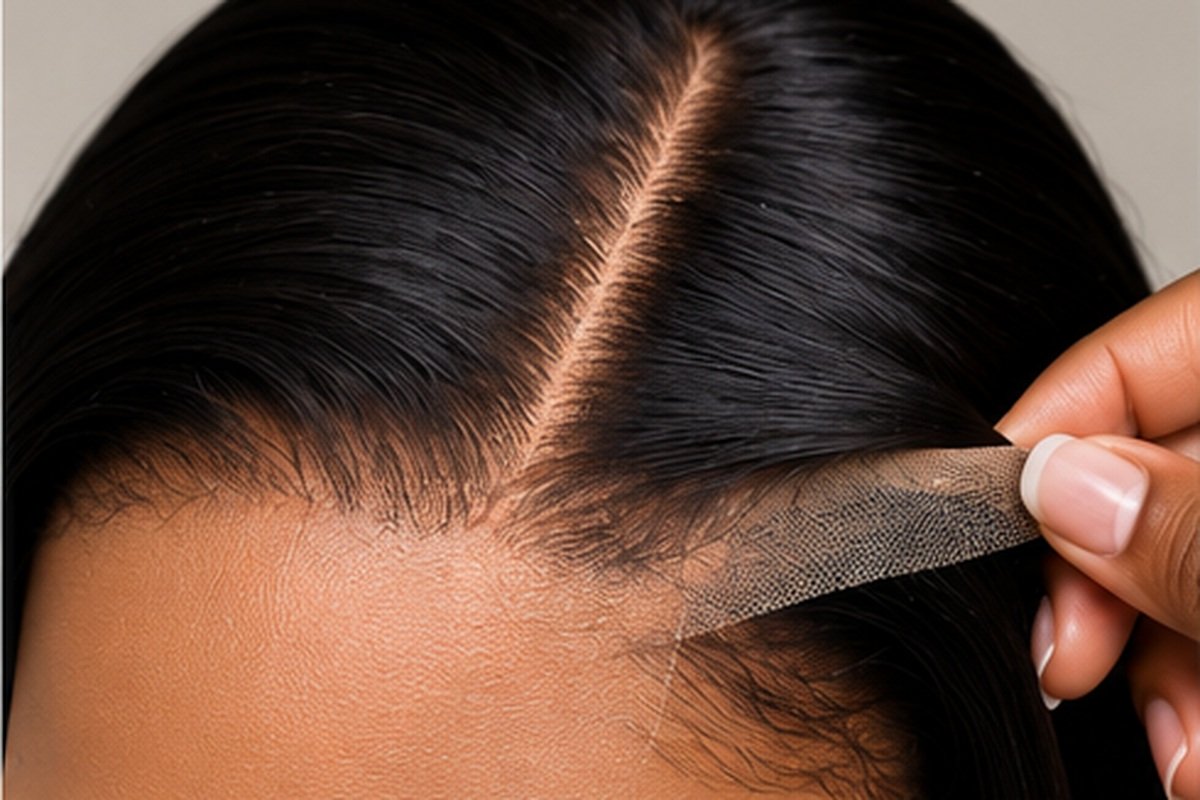
Lace types, cap sizes, densities and lengths explained without the jargon
Buying your first wig should feel exciting, but the number of choices can quickly become overwhelming.
You may encounter unfamiliar terms such as:
HD lace
Transparent lace
5×5 closure
13×4 frontal
Glueless cap
Pre-plucked hairline
Bleached knots
150% density
Every product may appear beautiful in the photographs, yet it may still be difficult to know which option will work for your face, lifestyle, schedule and budget.
The good news is that you do not need to become a wig expert before making a good decision.
You only need to understand a few important areas:
How you plan to wear the wig
The type of lace or cap construction
Your correct cap size
The density you prefer
The right length and texture
The amount of maintenance you can realistically manage
This guide explains each area in simple language so you can move from uncertainty to confidence.
Begin With Your Real Life
Before choosing color, length or texture, think about where and how you will wear the wig.
Ask yourself:
Will this be my everyday wig?
Am I wearing it mainly for work?
Do I need something I can install quickly?
Am I comfortable using adhesive?
Will I remove the wig every night?
Do I want to change the parting frequently?
Do I need the hair to fit beneath a scrub cap?
Do I prefer a natural everyday look or fuller glamour?
How much time can I devote to maintenance?
What is my complete budget?
Your answers will help you eliminate options that may look attractive but do not fit your routine.
The best first wig is not necessarily the most expensive, longest or most advanced wig.
It is the one you can wear comfortably and maintain confidently.
Human Hair or Synthetic Hair?
One of your first decisions is whether to purchase a human-hair or synthetic wig.
Human-Hair Wigs
Human-hair wigs generally provide:
Natural movement
Styling flexibility
A realistic appearance
The ability to use some heat tools
Greater versatility
Longer potential wear when maintained properly
They usually require:
Washing and conditioning
Heat protection
Regular detangling
Proper storage
More financial investment
Human-hair wigs do not receive natural oils from the scalp, so they still require careful moisturizing and maintenance.
Synthetic Wigs
Synthetic wigs may provide:
A lower entry price
Pre-set styles
Reduced daily styling
Lightweight options
Convenience for occasional wear
However, they may offer less styling flexibility, and not every synthetic fiber can tolerate heat.
AfriGloba Hair specializes in human-hair options, but the right choice should always depend on your needs and budget.
Understanding Wig Lace
Lace is the fine material used at the front or other areas of a wig to create the appearance that the hair is growing from the scalp.
The lace may contain individually ventilated strands of hair, creating a more natural-looking hairline or parting area.
The amount and type of lace affect:
Styling freedom
Installation time
Maintenance
Price
Hairline appearance
How much lace must be cut or blended
More lace does not automatically mean a better wig for every customer.
A first-time wearer may be happier with a smaller, simpler lace area than with a large frontal that requires more skill.
Common Lace Types
Regular or Standard Lace
Standard lace is generally durable and may be available in different shades.
It can provide a natural appearance when:
The color blends with the wearer’s complexion
The knots are handled properly
The lace is cut carefully
The hairline is positioned correctly
It may be slightly more noticeable than thinner lace, especially under very bright lighting.
Transparent Lace
Transparent lace is light in color and may work well across several complexions after proper tinting or blending.
Its advantages may include:
A clean appearance
Easier customization
Availability across many wig styles
The lace may still require tinting, foundation or another appropriate blending method to match the wearer’s skin.
“Transparent” does not mean invisible on every complexion.
HD Lace
HD lace is very thin and designed to blend closely with the skin.
It is popular because it can create a natural-looking hairline, especially in photographs and close viewing.
However, HD lace is delicate.
It requires:
Gentle handling
Careful adhesive removal
Proper storage
Limited pulling
Patience during installation
A first-time customer should not choose HD lace merely because it is described as premium. Consider whether you are prepared to handle and maintain it correctly.
Swiss Lace
Swiss lace is commonly used in lace wigs because it can provide a balance between softness and durability.
The exact quality may vary between manufacturers, so the name alone does not guarantee a particular result.
Always consider the entire construction of the wig.
Understanding Lace Sizes
The numbers in terms such as 4×4, 5×5 and 13×4 describe the approximate dimensions of the lace area in inches.
A larger lace area usually provides more parting and styling freedom, but it may also require more installation and maintenance.
4×4 Closure
A 4×4 closure provides a smaller lace area at the front of the wig.
It may be suitable for someone who wants:
A simple middle or side part
Less lace to maintain
Faster installation
A more affordable option
An everyday professional style
The styling area is limited compared with larger closures and frontals.
5×5 Closure
A 5×5 closure provides slightly more lace and parting space than a 4×4 closure.
It is a popular choice for first-time wig wearers because it can offer:
A natural-looking part
Manageable installation
More styling room than a 4×4
Less maintenance than a full frontal
Good compatibility with glueless construction
For many beginners, a well-made 5×5 closure wig offers a useful balance of appearance, convenience and flexibility.
6×6 or 7×7 Closure
Larger closures offer more parting space and greater coverage while remaining simpler than many lace-front units.
They may be suitable for customers who want:
A deeper part
Greater side-part flexibility
A wider natural-looking area
More styling options without a full frontal
They may cost more than smaller closures and still require proper blending.
13×4 Lace Front
A 13×4 frontal generally extends across the front hairline from ear to ear, with approximately four inches of lace extending backward in part of the cap.
It can offer:
A more natural-looking front hairline
Greater styling flexibility
The ability to change parts
The option to style hair away from the face
It may require:
More lace cutting
More customization
Greater installation skill
Adhesive or additional security in some cases
More careful maintenance
13×6 Lace Front
A 13×6 frontal provides a deeper lace area than a 13×4 in portions of the front.
It may provide:
Deeper parting
Greater styling freedom
More flexibility around the front
It may also involve a higher price and more maintenance.
360 Lace Wig
A 360 lace wig includes lace around much of the perimeter of the head, with tracks or wefts usually positioned in the center.
This construction may allow:
High ponytails
Updos
More styling around the perimeter
It is generally more complex than a simple closure wig and may not be the easiest first option.
Full-Lace Wig
A full-lace wig is constructed with lace throughout most or all of the cap.
It can offer significant styling flexibility, including different parting areas and some updos.
However, it is often:
More expensive
More delicate
More time-consuming to install
More demanding to maintain
A full-lace wig is not automatically necessary for an everyday first wig.
Which Lace Size Is Best for a Beginner?
For many first-time wearers, a 4×4 or 5×5 closure wig is the easiest place to begin.
These options generally provide:
A defined, natural-looking part
Less lace to cut and blend
Simpler everyday installation
Lower maintenance
Good compatibility with glueless caps
Choose a lace front when you genuinely want the additional hairline and styling flexibility—and when you are prepared to maintain it.
A beginner who wants maximum convenience may also consider a minimal-lace, no-lace or headband wig.
What Does “Glueless” Mean?
A glueless wig is designed to be worn without traditional wig adhesive.
It may include:
An adjustable elastic band
Adjustable straps
Combs
A drawstring
Silicone grip features
A closely fitted cap
Glueless wigs are popular because they can be:
Faster to install
Easier to remove
More practical for everyday wear
Helpful for customers who do not want adhesive
Convenient for nurses and busy professionals
However, a glueless wig must still be the correct size.
A wig that is too large may shift even when it has a band. A wig that is too tight may cause discomfort.
“Glueless” describes the intended installation method. It does not guarantee that every unit will fit every person perfectly without adjustment.
Pre-Cut Lace, Pre-Plucked Hairlines and Bleached Knots
These terms describe common customization features.
Pre-Cut Lace
Pre-cut lace means the excess lace has already been trimmed before the wig reaches the customer.
This can reduce preparation time, but the finished fit still depends on:
Cap size
Hairline shape
Ear placement
The way the wig sits on the head
A pre-cut wig may still need minor adjustment.
Pre-Plucked Hairline
A pre-plucked hairline has been thinned or shaped to reduce the appearance of an overly dense, straight hairline.
This can create a more natural appearance.
However, the amount of plucking varies. Some customers may still want professional customization, while others may prefer to leave the hairline unchanged.
Avoid over-plucking, which can create bald areas and weaken the frontal.
Bleached Knots
Hair strands are tied or ventilated into the lace, creating small knots.
Bleaching the knots can make them less visible and help the parting area resemble a natural scalp.
Over-bleaching may weaken the knots and increase shedding.
Do not assume that more bleaching always means better quality. The goal is a natural appearance without damaging the construction.
Cap Size: The Foundation of a Comfortable Wig
A beautiful wig can still be disappointing when the cap does not fit properly.
Cap size affects:
Comfort
Security
Hairline placement
Whether the lace lies flat
Whether the wig moves
Whether the wearer develops pressure or headaches
Never assume that “average size” will automatically fit you.
Measure your head before ordering whenever possible.
How to Measure Your Head
Use a soft measuring tape and keep your natural hair as flat as possible.
For better accuracy, measure more than once.
1. Head Circumference
Place the tape around your head:
Beginning at the front hairline
Passing above the ears
Continuing around the nape
Returning to the starting point
This is usually the most important measurement.
2. Front to Nape
Measure from the center of your front hairline over the top of your head to the nape.
3. Ear to Ear Across the Forehead
Measure from one ear to the other, following the front hairline.
4. Ear to Ear Over the Top
Measure from one ear over the crown to the other ear.
5. Temple to Temple Around the Back
Measure from one temple around the back of the head to the other temple.
6. Nape Width
Measure the width of the hairline at the nape.
Write the measurements down instead of relying on memory.
Common Cap-Size Categories
Exact measurements vary between brands, but wig caps are frequently grouped as:
Petite or small
Average or medium
Large
Do not purchase by the category name alone. Compare your measurements with the seller’s sizing chart.
A “medium” cap from one manufacturer may fit differently from a medium cap from another.
Signs That a Wig Is Too Small
Pressure around the forehead
Headaches
Red marks
The wig lifting at the nape
Difficulty pulling the wig into the correct position
Tension around the ears
The cap riding upward
Signs That a Wig Is Too Large
The wig shifts during movement
The lace wrinkles
Excess cap material gathers at the back
The nape lifts
The ear tabs do not sit correctly
You repeatedly adjust the wig
Adjustable straps can improve the fit, but they cannot completely correct a significantly incorrect cap size.
Understanding Wig Density
Density describes how full or thick the hair appears on the wig.
Density is commonly expressed as a percentage, such as:
130%
150%
180%
200%
These numbers can be helpful, but they are not perfectly standardized across every manufacturer.
Two wigs labeled 180% density may still look and feel different because of:
Hair texture
Length
Cap construction
Layering
Distribution of the hair
Styling
Manufacturer practices
Use density as a guide, not as the only measure of fullness.
What Different Densities Usually Look Like
130% Density
This generally provides a lighter, more natural-looking amount of hair.
It may be suitable for:
Short wigs
Customers who prefer minimal fullness
Lightweight everyday wear
Warmer environments
Simple professional styles
Some wearers may consider it too light for longer lengths.
150% Density
This is a popular everyday density.
It can provide:
Natural-looking fullness
Comfortable weight
Good movement
Suitability for many bobs and medium lengths
A balanced professional appearance
For many first-time customers, 150% is a practical starting point.
180% Density
This provides a fuller appearance.
It may be suitable for:
Longer wigs
Body-wave styles
Curly textures
Customers who prefer more volume
Special occasions and fuller everyday looks
It may feel warmer or heavier than a lower-density wig.
200% Density and Above
Very high density creates a fuller, more dramatic appearance.
It may be suitable for:
Glamorous styles
Long lengths
Customers who deliberately want significant volume
Certain layered or curly looks
It can require:
More maintenance
More drying time
Greater heat management
More detangling
A stronger commitment to styling
The fullest wig is not always the most natural or convenient wig.
What Density Is Best for Your First Wig?
A first-time customer will often be comfortable with:
130% to 150% for short, light, professional styles
150% for balanced everyday wear
150% to 180% for longer, wavy or fuller styles
Texture affects perceived fullness.
For example:
Kinky-straight hair may appear fuller than silky-straight hair at the same stated density.
Curly hair may look fuller because of its shape and volume.
Long straight hair may appear thinner toward the ends unless it has greater density or a fuller cut.
Choose density based on the finished appearance you want, not simply the highest number available.
Understanding Wig Length
Wig length is generally measured from the crown to the longest point of the hair when the strand is stretched straight.
The same stated length can appear different depending on:
The wearer’s height
Neck length
Torso length
Hair texture
Layers
Curl pattern
Where the wig sits on the head
A 16-inch straight wig and a 16-inch curly wig will not appear to fall at exactly the same point unless the curly hair is stretched.
Curly and wavy textures may look shorter because the pattern draws the hair upward.
A Simple Wig-Length Guide
6 to 8 Inches
Usually associated with:
Pixie styles
Very short bobs
Ear-length cuts
Lightweight professional looks
Minimal maintenance
Good for customers who want convenience and shorter drying time.
10 Inches
Usually associated with:
Chin-length bobs
Short layered styles
Polished professional looks
Easy everyday wear
This length can be flattering and manageable for first-time wearers.
12 Inches
Usually associated with:
Classic bobs
Longer bobs
Hair that falls around the neck or shoulders
Greater styling flexibility
This is a popular first-wig length because it provides visible hair without becoming difficult to manage.
14 Inches
Usually associated with:
Shoulder-length styles
Medium-length straight hair
Soft body waves
More styling versatility
This length offers movement while remaining suitable for many professional environments.
16 Inches
Usually associated with:
Hair falling below the shoulders
Medium-to-long styles
Ponytails
Body waves and curls
A fuller feminine look
It may require more attention at the nape and shoulders.
18 to 20 Inches
Usually associated with:
Long hairstyles
More dramatic movement
Greater styling options
Glamorous straight or wavy looks
These lengths require more detangling, conditioning and storage care.
22 Inches and Longer
Usually associated with:
Statement styles
High glamour
Maximum length
Greater styling commitment
Longer wigs usually require more time, more product, more careful storage and more attention to tangling.
Choosing the Right Length for Your Lifestyle
Consider a shorter length when:
You want low maintenance
You work long shifts
You wear scrub caps
You exercise frequently
You prefer lightweight hair
You are new to wig care
You do not want regular nape tangling
Consider a medium length when:
You want versatility
You enjoy ponytails or loose waves
You want hair that transitions from work to social occasions
You are willing to perform moderate maintenance
Consider a longer length when:
You genuinely enjoy long hair
You have time for regular detangling
You understand that longer hair requires more care
You want styling flexibility
You are prepared to protect it during sleep, work and storage
Do not choose a length merely because it looks impressive on a model. Choose what you can comfortably manage.
Choosing a Texture
Texture affects the appearance, fullness and maintenance needs of the wig.
Straight
Straight hair provides:
A sleek appearance
Easy length visibility
Simple brushing
A polished professional look
Styling versatility
It may show oil or product buildup more quickly than textured hair.
Body Wave
Body-wave hair provides:
Soft movement
Loose waves
Work-to-evening versatility
A fuller appearance than bone-straight hair
The wave pattern may loosen after washing and may need to be refreshed.
Deep Wave
Deep-wave hair provides:
More defined waves
Greater visible texture
A fuller appearance
A glamorous finish
It generally requires careful moisturizing and detangling.
Curly
Curly hair provides:
Volume
Texture
A bold, natural-looking style
Less emphasis on perfect sleekness
It should usually be detangled with fingers or a wide-tooth comb. Brushing dry curls may cause frizz and disturb the pattern.
Kinky Straight
Kinky-straight hair resembles natural hair that has been stretched or blow-dried.
It can provide:
Natural-looking volume
Texture
A professional appearance
Good blending with many hairlines
Versatile styling
It may appear fuller than silky-straight hair at the same stated density.
Kinky Curly or Coily
These textures provide:
Defined natural-looking curls
Significant volume
A strong textured appearance
Styling versatility
They require consistent moisture, gentle detangling and proper nighttime care.
Choosing a Wig Color
For a first wig, many customers feel most comfortable beginning with a shade close to their natural hair.
Common beginner-friendly colors include:
Natural black
Off-black
Dark brown
Medium brown
Subtle highlights
Soft ombré shades
A natural color may be easier to coordinate with:
Makeup
Work uniforms
Clothing
Eyebrows
Different occasions
However, your first wig can still be blonde, highlighted, red or another color when that reflects your personal style.
Consider:
Your complexion
Your workplace
Your wardrobe
The amount of color maintenance
Whether the wig has been chemically processed
Whether the color is accurately shown in natural lighting
Colored and lightened wigs may need more moisture than darker, less-processed hair.
Middle Part or Side Part?
A middle part creates:
Symmetry
A sleek appearance
A modern look
Balanced framing around the face
A side part may provide:
Softer face framing
More volume on one side
A classic or glamorous appearance
Flexibility for different face shapes
Closures may have a defined parting area. Larger closures and frontals usually allow greater freedom to change the part.
Choose the part you naturally feel most comfortable wearing.
Ready-to-Wear or Custom Wig?
Ready-to-Wear Wig
A ready-to-wear wig may arrive with features such as:
Pre-cut lace
A pre-plucked hairline
Adjustable bands
Basic styling
A defined part
Glueless construction
It can be ideal for customers seeking convenience.
Confirm exactly what “ready to wear” includes because the meaning can vary between sellers.
Custom Wig
A custom wig may be prepared according to:
Head measurements
Preferred lace
Density
Length
Texture
Color
Parting
Hairline
Styling requests
Custom wigs can provide a more personalized result, but they generally require additional time and may have limited return eligibility.
Read all custom-order terms before purchasing.
A Practical First-Wig Recommendation
A strong first-wig option for many customers is:
Human hair
10 to 14 inches
150% density
Natural black or dark brown
4×4 or 5×5 closure
Glueless construction
Adjustable elastic band
Pre-plucked hairline
Pre-cut lace when available
Straight, body-wave or kinky-straight texture
This is not a universal rule.
It is simply a practical combination that may provide manageable length, natural fullness and easier installation.
A nurse who wears a scrub cap may prefer a short bob.
A customer who loves long hair may be more satisfied with 18 or 20 inches.
A woman with scalp sensitivity may need a cap without internal combs.
Your needs should shape the final choice.
Your First-Wig Shopping Checklist
Before adding a wig to your cart, confirm the following:
Hair Details
Is it human hair or synthetic?
What is the texture?
What is the color?
What is the stated length?
What is the density?
Has the hair been colored or chemically processed?
Lace Details
What type of lace is used?
What is the lace size?
Is the lace pre-cut?
Is the hairline pre-plucked?
Are the knots bleached?
Can the part be changed?
Cap Details
What cap sizes are available?
Does the seller provide a measurement chart?
Is the wig glueless?
Does it include an elastic band?
Does it contain combs?
Can the straps be adjusted?
Is the cap breathable?
Service Details
What is the processing time?
Is the wig in stock?
What is included in the package?
Can the wig be returned or exchanged?
Are custom wigs returnable?
What happens when the cap size is incorrect?
Who pays return shipping?
Is customer assistance available?
Do not purchase until you understand the product and return conditions.
Common First-Wig Mistakes
Buying Without Measuring
A poor cap fit can affect comfort, security and the entire appearance of the wig.
Choosing Too Much Lace
A first-time wearer may purchase a large frontal without realizing how much installation and care it requires.
Choosing Extreme Density
Very full hair may feel heavy, warm and difficult to maintain.
Selecting Length Only From a Model Photograph
The model’s height, body proportions and styling affect how long the wig appears.
Ignoring Texture Shrinkage
Curly and wavy wigs appear shorter than straight wigs with the same measured length.
Assuming Every Glueless Wig Fits Everyone
Glueless construction still requires the correct cap size and proper adjustment.
Using Too Much Adhesive
More adhesive does not always mean better security. It may create buildup and make removal difficult.
Cutting the Lace Before Confirming the Fit
Once lace is cut or the wig is altered, it may no longer qualify for return or exchange.
Always check the seller’s policy before modifying the wig.
Purchasing Only Because of a Low Price
A low price is not automatically a bargain when the product lacks clear specifications, realistic photographs or customer support.
Ignoring Maintenance Requirements
The wig must fit not only your face but also your schedule.
What to Do When Your Wig Arrives
Before cutting lace, applying adhesive or styling the wig:
Read the return and exchange policy.
Inspect the wig carefully.
Confirm the color, length and texture.
Check the lace for damage.
Examine the inside cap.
Confirm the combs, straps and band.
Place a clean wig cap over your hair.
Try the wig on without altering it.
Check the fit around the ears, forehead and nape.
Take photographs when a concern is present.
Contact the seller before making permanent changes.
Do not cut the lace, bleach the knots, apply product or use heat until you are satisfied with the product and fit.
Frequently Asked Questions
What is the easiest wig for a beginner?
A glueless closure wig, especially a 4×4 or 5×5 unit, is often easier to install and maintain than a full frontal.
Is HD lace necessary for my first wig?
No. HD lace can look beautiful, but it is delicate. Transparent or quality standard lace may be more practical depending on your routine and experience.
What density looks most natural?
Many customers find 130% to 150% natural-looking for everyday wear. The texture, length and construction also affect fullness.
What length is easiest to maintain?
Short and medium lengths, especially 8 to 14 inches, are generally easier to detangle, wash, dry and store.
Should I choose a closure or frontal?
Choose a closure for simpler installation and maintenance. Choose a frontal when you want greater hairline and parting flexibility and are prepared for additional care.
Can I wear a wig without glue?
Yes. Glueless wigs use cap fit, bands, straps, combs or grips to remain secure. The correct cap size is essential.
Should my first wig be black?
Not necessarily. A color close to your natural hair may feel easier at first, but you may choose any shade that suits your style and workplace.
How do I know which cap size I need?
Measure your head carefully and compare the measurements with the seller’s specific sizing chart.
Does a longer wig always cost more?
Longer wigs often require more hair and may cost more, but pricing also depends on lace, density, texture, processing and construction.
Can I return a wig after cutting the lace?
Many sellers do not accept altered wigs. Read the return policy before cutting lace, applying adhesive, washing or styling.
Walk In Nervous. Walk Out Confident.
Choosing your first wig becomes easier when you stop trying to understand everything at once.
Begin with the essentials:
Choose a construction that matches your skill level.
Measure your head.
Select a manageable density.
Choose a length that fits your lifestyle.
Understand the lace.
Consider your maintenance routine.
Review the return policy before altering the wig.
You do not need the most complicated wig.
You need a wig that fits, feels comfortable, looks natural and helps you move through your day with confidence.
At AfriGloba Hair, our goal is not simply to show you beautiful wigs.
We want to help you understand what you are buying so that you can make a confident decision.