FREE SHIPPING ON ORDERS OVER $150 ✦ NURSES SAVE 10% WITH CODE THANKYOU

How To Care For Human Hair Wigs
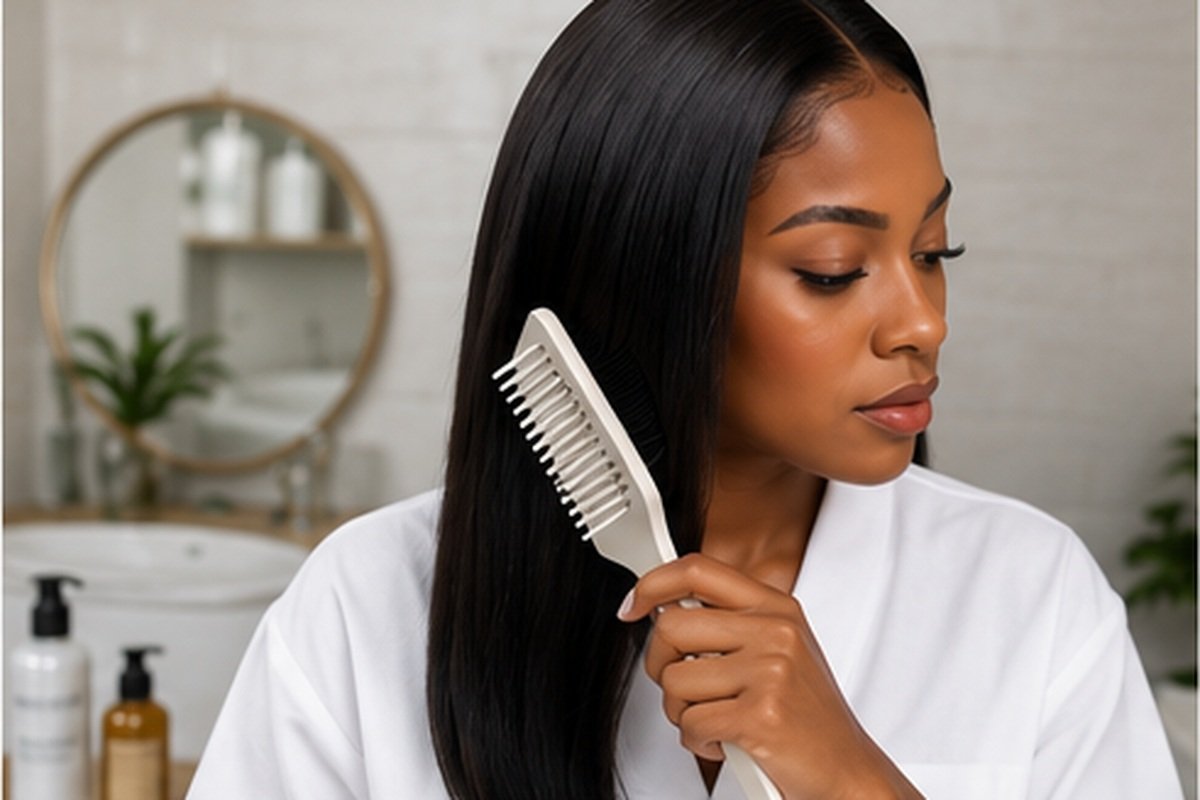
The simple care routine that keeps your wig soft, shiny and tangle-free
A quality human-hair wig is an investment. With the right care, it can remain beautiful, soft and natural-looking for a long time. But without proper maintenance or care, even good hair can become dry, tangled, dull or difficult to style.
The good news is that caring for a human-hair wig does not have to be complicated.
A gentle routine, the right products and proper storage can make a noticeable difference in how your wig looks, feels and lasts.
This guide explains how to detangle, wash, condition, dry and store your human-hair wig step by step.
How Often Should You Wash a Human-Hair Wig?
Human-hair wigs do not usually need to be washed as frequently as natural hair.
For many wearers, washing the wig after approximately 7 to 10 wears is enough. However, you may need to wash it sooner when:
You wear it during long work shifts.
You exercise or perspire heavily.
The wig has absorbed strong odors.
Styling products have created buildup.
The hair feels heavy, stiff or difficult to manage.
The lace or inside of the cap needs refreshing.
Washing too frequently can cause dryness, fading and unnecessary wear. The goal is to keep the wig clean without overprocessing it.
Always follow the care instructions provided for your particular wig, especially when it has been colored, highlighted or chemically treated.
What You Will Need
Before washing your wig, gather the following:
- A wide-tooth comb or wig brush
- Sulfate-free shampoo
- Moisturizing conditioner
- A clean basin or sink
- A clean towel
- A wig stand or mannequin head
- Leave-in conditioner
- Lightweight hair serum or oil
- Heat protectant, when using heat tools
Avoid harsh clarifying shampoos unless product buildup is severe. Strong cleansing products may strip moisture from the hair.
Step 1: Detangle Before Washing
Never place a badly tangled wig directly into water.
Water can tighten knots and make tangles more difficult to remove.
Place the wig on a stand or hold it securely by the cap. Begin detangling from the ends of the hair and work gradually toward the roots.
Use a wide-tooth comb or a brush designed for wigs and extensions.
Be especially gentle around:
- The lace
- The hairline
- The knots
- The nape area
- Areas where the hair rubs against clothing
Do not pull aggressively. If you meet resistance, separate the hair into smaller sections and work through the tangles slowly.
For curly or wavy wigs, use your fingers or a wide-tooth comb to preserve the texture.
Step 2: Prepare the Water
Fill a clean basin or sink with cool or lukewarm water.
Avoid very hot water. Excessive heat can dry out the hair, weaken the knots and affect the shape of the wig.
Add a small amount of sulfate-free shampoo to the water and gently mix it before placing the wig inside.
Do not pour a large amount of shampoo directly onto the lace or hair.
Step 3: Wash the Wig Gently
Hold the wig by the inside of the cap and place the hair into the water.
Gently move it through the water in one direction.
Do not:
- Scrub the hair
- Twist the wig
- Rub the strands together
- Ball the hair inside the basin
- Scratch the lace with your fingernails
Use your fingers to smooth the shampoo downward from the roots to the ends.
Pay gentle attention to the nape and cap area, where sweat and product buildup frequently collect.
When cleaning the lace, use light pressure. Avoid pulling at the hairline or loosening the knots.
Allow the shampoo to cleanse the hair without rough handling.
Step 4: Rinse Thoroughly
Rinse the wig with cool or lukewarm water.
Keep the hair flowing in the same downward direction while rinsing.
Continue until the water runs clear and no shampoo remains.
Leftover shampoo can make the hair feel stiff, dry or dull.
Do not wring or twist the wig to remove water.
Step 5: Apply Conditioner
Conditioning restores moisture and helps the hair remain soft and manageable.
Apply a generous amount of moisturizing conditioner from the middle of the hair to the ends.
Avoid applying heavy conditioner directly onto the knots or lace. Too much product in these areas may weaken the construction over time.
Use your fingers or a wide-tooth comb to distribute the conditioner gently.
For dry or colored wigs, allow the conditioner to remain on the hair for approximately 5 to 10 minutes.
For deeper conditioning, follow the instructions on the product carefully. Do not leave treatments on the wig indefinitely.
Step 6: Rinse the Conditioner
Rinse the wig thoroughly with cool water.
Cool water helps the hair feel smoother and may reduce frizz.
Make sure all excess conditioner is removed. Leaving too much product behind can make the wig heavy, greasy or difficult to style.
After rinsing, gently squeeze the hair from the top downward to remove excess water.
Do not twist.
Step 7: Blot With a Towel
Lay the wig flat on a clean towel.
Fold the towel around the hair and press gently to absorb moisture.
Do not rub the hair with the towel. Rubbing can cause tangling, frizz and breakage.
The wig should remain damp, not dripping wet.
Step 8: Air-Dry Whenever Possible
Place the wig on a wig stand in a clean, well-ventilated area.
Allow it to air-dry naturally.
Air-drying is usually the gentlest option because it reduces repeated heat exposure.
Keep the wig away from:
- Direct sunlight
- Radiators
- Open flames
- Very hot rooms
- Areas with heavy dust
- High-humidity bathrooms
Do not sleep in a wet wig or place a wet wig into a closed bag. Trapped moisture may create odors and affect the cap.
Allow the wig to dry completely before storing or wearing it.
Can You Blow-Dry a Human-Hair Wig?
Yes, many human-hair wigs can be blow-dried, but heat should be used carefully.
Before using a dryer:
- Apply a heat protectant.
- Use a low or medium temperature.
- Keep the dryer moving.
- Avoid directing intense heat at the lace.
- Dry in sections.
- Do not hold the dryer too close to the hair.
Repeated high heat can make the hair dry, brittle and more likely to split.
Air-drying should remain the preferred method whenever time permits.
How to Style Your Wig After Washing
Once the wig is completely dry, style it gently.
For straight wigs, use a paddle brush or wide-tooth comb.
For body-wave wigs, use your fingers or a wide-tooth comb to restore the waves.
For curly wigs, avoid brushing the hair when it is dry. Use your fingers to separate and shape the curls.
When using flat irons, curling irons or hot combs:
- Apply heat protectant first.
- Begin with a low temperature.
- Avoid excessive heat.
- Do not press directly against the lace.
- Limit repeated passes over the same section.
A human-hair wig can be styled like natural hair, but it does not receive natural oils from the scalp. It therefore requires extra protection from dryness and heat.
The Simple Weekly Maintenance Routine
You do not need to wash your wig every week, but you should inspect and refresh it regularly.
After Each Wear
- Remove the wig carefully.
- Detangle the ends and nape.
- Check the lace for makeup or adhesive buildup.
- Allow the cap to air out.
- Place the wig on a stand.
- Avoid throwing it onto a chair, bed or inside a bag.
Once or Twice a Week
- Gently brush or comb the wig.
- Apply a light leave-in conditioner when needed.
- Smooth a very small amount of serum onto dry ends.
- Check for tangles at the nape.
- Inspect the adjustable band, combs and cap.
- Remove excessive styling-product buildup.
When the Wig Feels Dry
- Mist the hair lightly with leave-in conditioner.
- Do not saturate it with oil. Too much oil can attract dirt, make the hair heavy and reduce movement.
- Use only a small amount of lightweight serum on the ends.
Caring for the Lace
The lace is one of the most delicate parts of the wig.
To protect it:
- Hold the wig by the cap, not by the lace.
- Avoid pulling the lace when removing the wig.
- Do not scratch the hairline with fingernails.
- Remove glue or adhesive patiently.
- Never tear dried adhesive away.
- Avoid applying heavy conditioner directly to the knots.
- Store the wig where the lace cannot fold or become crushed.
- When cleaning adhesive, use a remover suitable for lace wigs and follow the manufacturer’s instructions.
- Do not use harsh household chemicals.
How to Prevent Tangling
Tangling frequently occurs at the nape because the hair rubs against uniforms, coats, scarves and collars.
To reduce tangling:
- Detangle the nape after every wear.
- Avoid sleeping in the wig whenever possible.
- Use a satin scarf or bonnet when sleeping in it is unavoidable.
- Keep the hair moisturized without overloading it with product.
- Avoid heavy oils and sticky sprays.
- Brush long hair before putting on a coat.
- Wear the hair in a loose ponytail during demanding activities when appropriate.
- Do not allow the wig to remain tangled for several days.
- Small tangles are easier to correct than large knots.
Special Care for Nurses and Busy Professionals
Long shifts can expose a wig to heat, movement, perspiration and friction.
After a demanding workday:
- Remove the wig carefully.
- Allow the cap to air out.
- Wipe the inside band gently when needed.
- Detangle the nape.
- Place the wig on a stand overnight.
- Avoid putting it immediately into a drawer or bag.
- Wash it when sweat, odor or buildup becomes noticeable.
Nurses who wear scrub caps should make sure the cap is not pulling tightly against the lace or hairline.
A satin-lined scrub cap may help reduce friction and preserve the style.
How to Store Your Human-Hair Wig
Proper storage helps the wig retain its shape and prevents unnecessary tangling.
For Daily or Frequent Wear
Store the wig on:
- A wig stand
- A mannequin head
- A collapsible wig stand
- Keep it in a cool, dry location away from direct sunlight.
For Long-Term Storage
Before storing the wig:
- Make sure it is clean.
- Make sure it is completely dry.
- Detangle it thoroughly.
- Style it loosely.
- Place it in a satin or breathable storage bag.
- Keep the lace flat and protected.
- Avoid placing heavy objects on top of it.
- Do not store a damp wig in plastic.
- For curly or wavy styles, loosely twist or braid the hair before storage to help preserve the pattern.
Products to Avoid
Avoid using products that contain excessive amounts of:
- Drying alcohol
- Heavy wax
- Thick grease
- Strong hold spray
- Harsh sulfates
- Sticky gel
- Petroleum-based products
These products may create buildup, dryness and matting.
Also avoid applying too many products at once. Human-hair wigs usually look more natural when the hair remains light and movable.
Common Wig-Care Mistakes
Washing Too Frequently
Overwashing can strip moisture from the hair.
Using Very Hot Water
Hot water may increase dryness and affect the knots or cap.
Brushing From the Roots Downward
This pushes tangles together and can lead to breakage. Always begin at the ends.
Sleeping in the Wig Regularly
Friction from pillows can cause tangling, matting and lace damage.
Using High Heat Without Protection
Repeated heat exposure can shorten the life of the hair.
Applying Conditioner to the Knots
Heavy conditioner may weaken knots and increase shedding.
Storing the Wig While Damp
This can create odor, mildew or damage to the cap.
Pulling the Lace During Removal
The lace should be loosened gently, especially when adhesive has been used.
When Does Your Wig Need Professional Maintenance?
Your wig may need professional attention when:
- The lace is lifting or damaged.
- The wig is shedding excessively.
- The hairline needs restoration.
- The wig has severe tangling or matting.
- The color needs correction.
- The cap no longer fits securely.
- The curls or style need reshaping.
- Adhesive buildup cannot be removed safely.
- The wig needs deep cleansing and restyling.
Attempting major repairs without the proper knowledge may cause further damage.
A Quick Care Checklist
Before putting your wig away, ask:
- Is the hair detangled?
- Is the nape free from knots?
- Is the lace clean?
- Is the cap dry?
- Has the wig aired out?
- Is it stored upright or protected?
- Have I avoided excessive product?
- Does it need washing or only refreshing?
A few minutes of care after each wear can prevent hours of repair later.
Frequently Asked Questions
Can I use regular shampoo on a human-hair wig?
You can use shampoo formulated for human hair, but a gentle, sulfate-free formula is usually best. Avoid harsh shampoos that may dry out processed or colored hair.
Can I wash my wig while wearing it?
It is better to remove the wig before washing it. This allows you to clean the cap, lace and hair properly without unnecessary pulling.
Can I sleep in my human-hair wig?
It is possible, but frequent sleeping in a wig may increase tangling, friction and lace damage. Remove it whenever possible. When removal is not practical, protect it with satin.
Can I use oil on my wig?
Yes, but use only a small amount of lightweight oil or serum, mainly on the ends. Too much oil can make the wig greasy and attract dirt.
Can I straighten or curl my wig?
Many human-hair wigs can be heat-styled. Always use heat protectant and begin with a low temperature. Colored and processed wigs may require extra caution.
Why is my wig tangling at the back?
The nape rubs against clothing, skin and collars. Detangle it regularly and reduce friction whenever possible.
How long will a human-hair wig last?
The lifespan depends on the construction, frequency of wear, styling habits, product use and maintenance. Gentle care can significantly extend the life of the wig.
Final Word
A human-hair wig remains beautiful when it is handled with patience.
You do not need dozens of products or a complicated routine. Focus on the essentials:
- Detangle gently.
- Wash only when necessary.
- Use moisturizing products.
- Avoid excessive heat.
- Protect the lace.
- Allow the wig to dry completely.
- Store it properly.
- Give special attention to the nape and ends.
The better you care for your wig, the longer it can continue giving you the softness, movement and confidence you loved when you first received it.
Protect Your Investment. Preserve Your Confidence.
Explore AfriGloba Hair’s collection of human-hair wigs created for nurses and hardworking professional women.